

 By
By Grimsby chosen for renewable hydrogen project
Grimsby has been chosen as the base for a new maritime electrolyser project which will investigate the potential of renewable hydrogen production.
The Oyster project, which received £4.3m in funding from the Fuel Cells and Hydrogen Joint Undertaking (FCH JU), will create a system that can be combined with offshore wind turbines.
They will also be looking into the use of pipelines to transport the hydrogen ashore.
Green/renewable hydrogen is a great way of reducing the amount of carbon that is released into the atmosphere through things like heavy industry and transport.
It is created by splitting water down into oxygen and hydrogen in an electrolyser.
This process is aided by offshore wind energy sources.
The use of renewable hydrogen is integral to the EU’s plan of reaching climate neutrality by 2050.
Electrolysers need only water and renewable electricity to generate fuel.
The offshore production will create a way of transporting low-cost renewable energy to places that need it most.
The EU’s hydrogen strategy targets 6GW of electrolyser by 2024 and 40GW by 2040.
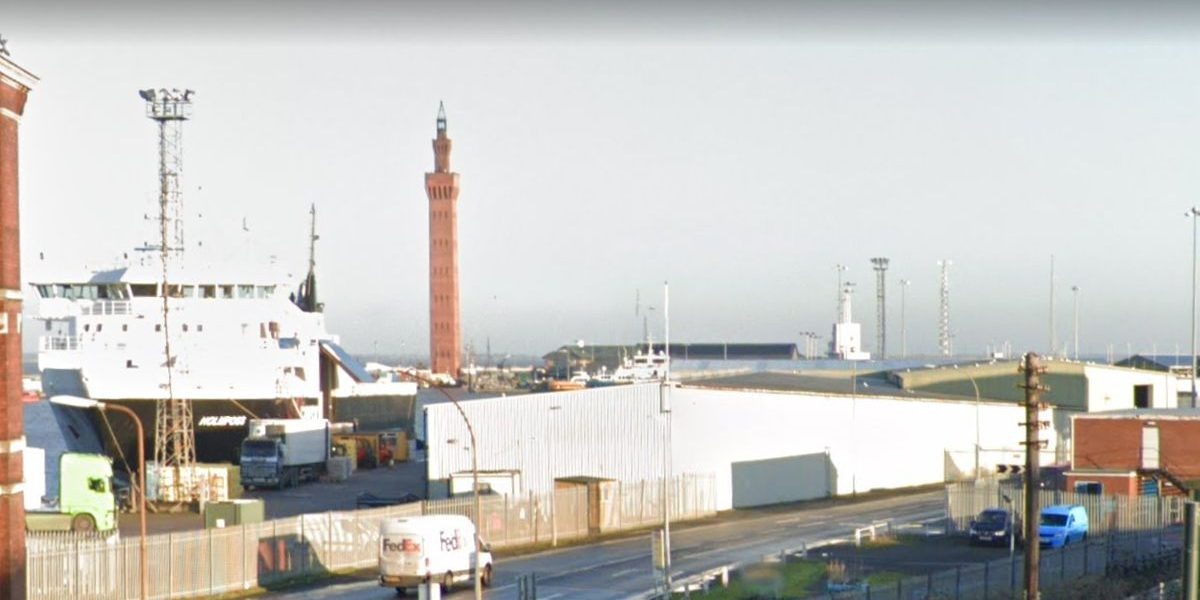
Grimsby was chosen as the project’s base because of its connection to renewable energy, such as offshore wind.
Duncan Clark, Ørsted’s UK boss, said: “The combination of offshore wind and renewable hydrogen production holds game-changing potential to decarbonise otherwise hard-to-abate sectors and, as the largest offshore wind company in the world, we are exploring offshore hydrogen production as a future, supplemental way of getting large amounts of renewable energy, generated from plentiful offshore wind, to where it is needed.”
Dr Graham Cooley, chief executive of ITM Power, said: “Renewable hydrogen is the cleanest fuel available to us today.
“Utilising offshore wind energy and generating renewable hydrogen using water in the process of electrolysis offers a route to be able to decarbonise the entire energy system.
“ITM Power is delighted to be supporting this move towards a greener, cleaner future.”


